
DNA Testing on Cremated Ashes: Can You Get DNA From Cremated Remains?
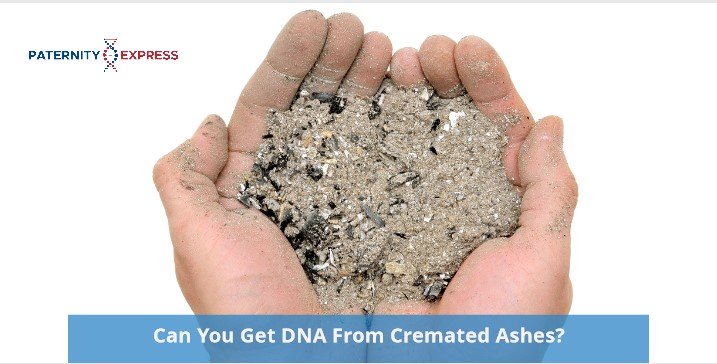
Can You Get DNA From A Cremated Body
Yes. It is possible for DNA to obtained from cremated remains. But highly unlikely that DNA at least for the use of DNA testing could be used on a consistent basis.
The extreme heat of the cremation process often times will destroy the genetic material. Therefore, if you are going to use bone fragments to help determine paternity. The likelihood of a result being produced on a consistent basis is slim.
It should also be noted that ashes would not be a good option to extract DNA from.
What Happens to DNA During Cremation?
During the cremation process, DNA normally does not survive. Nuclear DNA begins to break down when exposed to high temperatures and is destroyed well before temperatures reach those typically used for cremation. Cremation temperatures generally range from 1,400 to 1,600°F and may continue for up to two hours.
Mitochondrial DNA (mtDNA), which is passed from a mother to her children, is generally more durable than nuclear DNA. However, mitochondrial DNA cannot provide the comparative genetic analysis needed to establish biological paternity because it follows the maternal line.
After cremation, the remaining bone material consists primarily of calcium phosphate and other inorganic minerals. The bone fragments are then processed to a uniform consistency before the cremated remains are returned to the family.
The combination of extreme heat, prolonged exposure, and processing explains why laboratories generally cannot obtain a DNA profile from the ashes themselves. In some cases, an identifiable bone fragment that survived the cremation process may provide a potential source for DNA extraction.
Can Bone Fragments Found in Cremated Remains Contain DNA?
Yes. It is possible but not probable that bone fragments could contain DNA. Which bone from the cremated body is also important. Our partner lab recommends molars or femur bones as the best options for extracting DNA.
Cremated bone fragments may be a challenge identifying which part of the body comes from.
Can Cremated Remains Be Used for a Paternity Test?
Potentially, yes. If bone fragments are found in the ashes it could potentially be used to extract DNA and used for comparative analysis to help determine the paternity of a child. We do not recommend using this testing option because the likelihood the lab will be able to extract DNA is relatively low.
Frequently Asked Questions:
How long does it take for the DNA to be extracted from the ashes?
There is no timetable for DNA extraction from ashes because DNA cannot be extracted from ashes.
What is the cost of DNA extraction from cremated remains?
Because of the limitations surrounding DNA extraction from cremated remains. Paternity Express does not offer this service.
What Other DNA Samples Can Be Used After Death?
It is important to note, that the extraction of DNA has to come from bone not from ashes. The bones that are best recommended to be used to acquire DNA are from the femur and tooth (molars).
Being that cremation of a body would make it very difficult to acquire a viable DNA sample. We recommend if you believe there is a question about paternity that you attempt to aquire an alternative sample prior to the body being cremated if possible.
Is it possible to extract DNA from cremated remains that are several years old?
It may be possible if the ashes have bone fragments and the bone has not been degraded terribly. We recommend that you speak with the coroner’s office to see if they’ve extracted any samples, like a blood card sample or hair follicle samples, if your goal is to determine a biological relationship with a family member, such as father and child.
Conclusion
In closing, Is it possible to extract DNA from cremated remains? Yes, but the probability of a laboratory producing a complete DNA profile is unlikely that most cases.
If you are in need of determining a biological relationship is best to try to acquire an alternative sample like hair, blood or a buccal cheek swab samples from the coroners office.